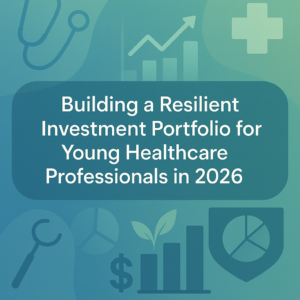
Building a Resilient Investment Portfolio for Young Healthcare Professionals in 2026
As a physician, dentist, or other early-career healthcare professional, you’ve spent years mastering your craft and helping others. Now it’s time to turn that same dedication toward your financial future. With markets showing strong returns over the last decade and key events on the horizon—like the 2026 U.S. midterm elections, a new Federal Reserve Chair, and evolving AI innovations—crafting a thoughtful, diversified investment strategy is more important than ever.
Why Long-Term Discipline Pays Off
Over the past seven years, the S&P 500 has delivered double-digit annual returns in six of them. This resilience underlines a core principle: staying invested through market ups and downs generally rewards disciplined, long-term investors.
- Stay the Course: Market pullbacks—whether from tariff news or geopolitical flashpoints—are normal. Historically, markets recover and often reach new highs.
- Avoid Timing Traps: Attempting to jump out of stocks after a dip or chase the latest hot sector (like AI) can lead to missed gains.
- Focus On Goals: Align your portfolio with your timeline—retirement, buying a home, children’s education—and your comfort with market swings.
The Pillars of a Diversified Portfolio
Diversification is more than a buzzword; it’s your shield against unexpected market events. Here’s how to build a balanced mix:
1. U.S. Equities
Large-cap U.S. stocks have led global markets, but valuations are elevated. To help manage risk:
- Include a mix of growth and value funds.
- Consider small- and mid-cap exposure for potential extra growth and diversification.
2. International Stocks
A weaker U.S. dollar over the past year has boosted returns for U.S.-based investors in foreign markets. Benefits include:
- Access to fast-growing economies outside the U.S.
- Reduced portfolio correlation when U.S. markets stumble.
3. Fixed Income & Alternatives
Bonds and alternative assets—like real estate or commodities—can smooth returns when stocks pull back. Key points:
- Short- and intermediate-term bonds can offer stability if rates rise under new Fed leadership.
- Alternatives may provide inflation protection and low correlation to equities.
Navigating 2026’s Key Market Themes
Next year brings several influences that merit attention but shouldn’t derail a long-term plan.
Midterm Elections
- Historical Impact: Midterm years often see volatility around November, yet over the full calendar year, market returns have averaged positively.
- Action Step: Avoid reacting to daily news. Stick to your asset allocation.
Federal Reserve Leadership Change
- Policy Shifts: A new Fed Chair may adjust interest-rate targets, influencing bond yields and stock valuations.
- Action Step: Maintain a laddered bond portfolio to manage reinvestment risk as rates adjust.
AI and Technology Valuations
- Rapid Growth vs. Premium Pricing: AI firms have soared, but lofty valuations can amplify drawdowns if growth slows.
- Action Step: Limit single-sector concentration. Balance core technology holdings with broader market funds.
Putting It All Together: A Sample Allocation
Below is a hypothetical portfolio for a young healthcare professional with a 20- to 30-year time horizon and moderate risk tolerance. Always tailor to your personal situation.
- U.S. Equities: 63%
- Large-Cap Core Fund: 40%
- Small/Mid-Cap Blend Fund: 23%
- International Equities: 25%
- Developed Markets Fund: 15%
- Emerging Markets Fund: 10%
- Fixed Income: 10%
- Intermediate-Term Bond Fund: 3%
- Short-Term Bond Fund: 7%
- Alternatives & Cash: 2%
- Commodities/REITs: 1%
- Cash or Cash Equivalents: 1%
This blend seeks growth while cushioning potential downturns.
How MainStay Capital Partners Can Help
At MainStay Capital, we specialize in guiding healthcare professionals through complex markets. Here’s how we support you:
- Personalized Planning: Learn about our approach on our Our Process page.
- Ongoing Education: We share regular market updates and tailored insights for physicians and dentists.
- Holistic Services: From retirement planning to tax-efficient strategies—see our Services.
Ready to get started? Visit our About Us page to meet our advisors committed to your financial success.
Key Takeaways for Young Healthcare Investors
- Stay invested through market cycles—discipline is rewarded.
- Diversify across U.S. and international equities, bonds, and alternatives.
- Keep single-sector concentration, like AI, in check to manage volatility.
- Don’t let midterm or Fed-related headlines drive emotional decisions.
- Partner with a fiduciary advisor to build and monitor a plan that aligns with your goals.
Your dedication to your patients deserves an equally thoughtful approach to your investments. By following these principles—and leaning on qualified advisors when needed—you’ll be well on your way to financial confidence and freedom.